
Frequently Asked Questions About Fillings in Dentistry
Dental fillings are used to treat small holes or cavities in a tooth. There are many frequently asked questions about fillings. Approximately 92 percent of adults between the…
Explore articles
Dental fillings are used to treat small holes or cavities in a tooth. There are many frequently asked questions about fillings. Approximately 92 percent of adults between the…

Bruxism is the term used to describe teeth clenching or grinding. These can sometimes occur when a person’s awake, like an involuntary reaction to fear, anger, or stress.…
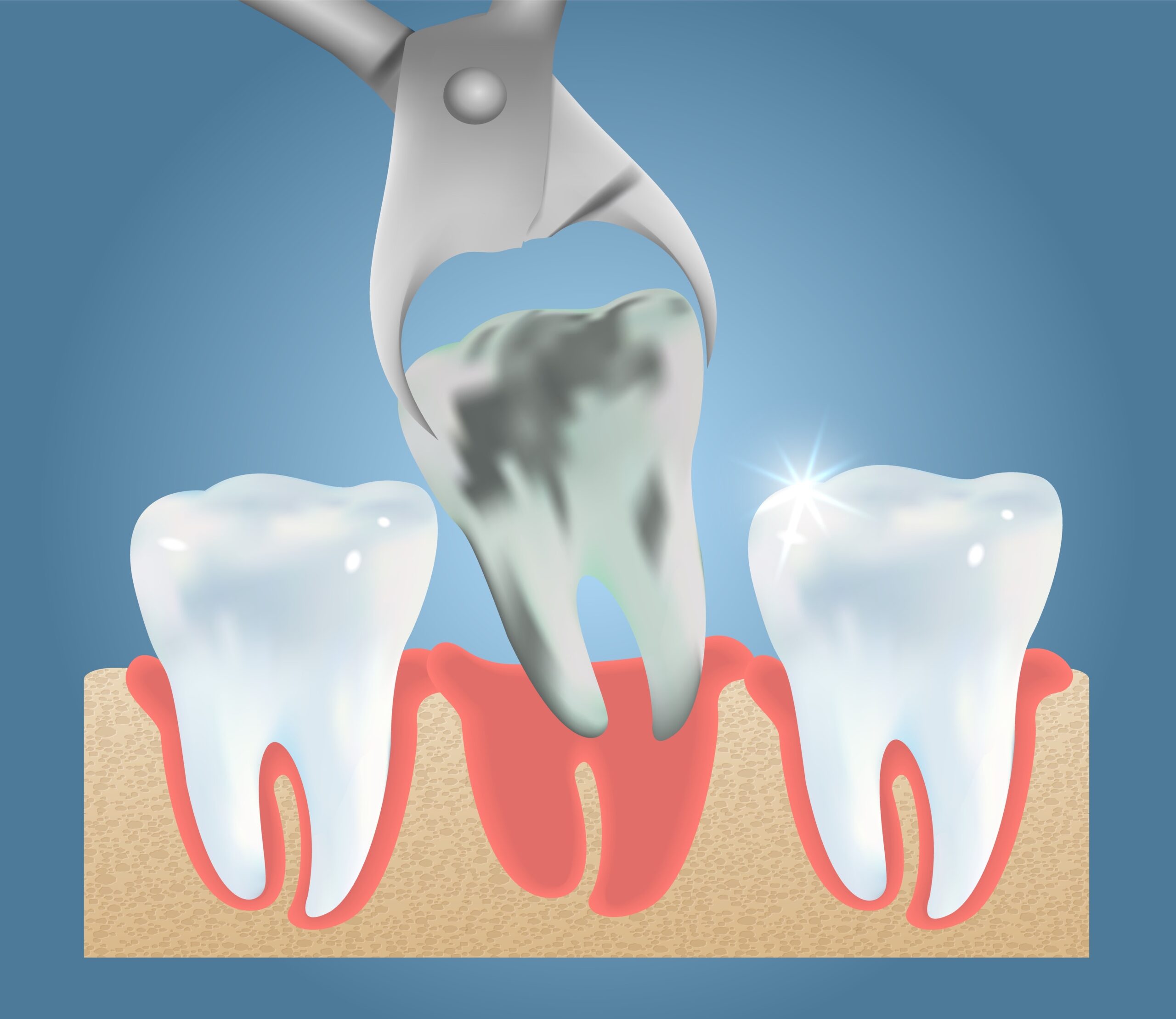
Permanent teeth are designed to last a lifetime. However, there may be circumstances in which extraction may be necessary. When a tooth is too badly damaged due to…

Visiting the dentist for the first time can be an overwhelming experience, especially for young children. The unique smells, tools, and equipment can lead to apprehension and patients…
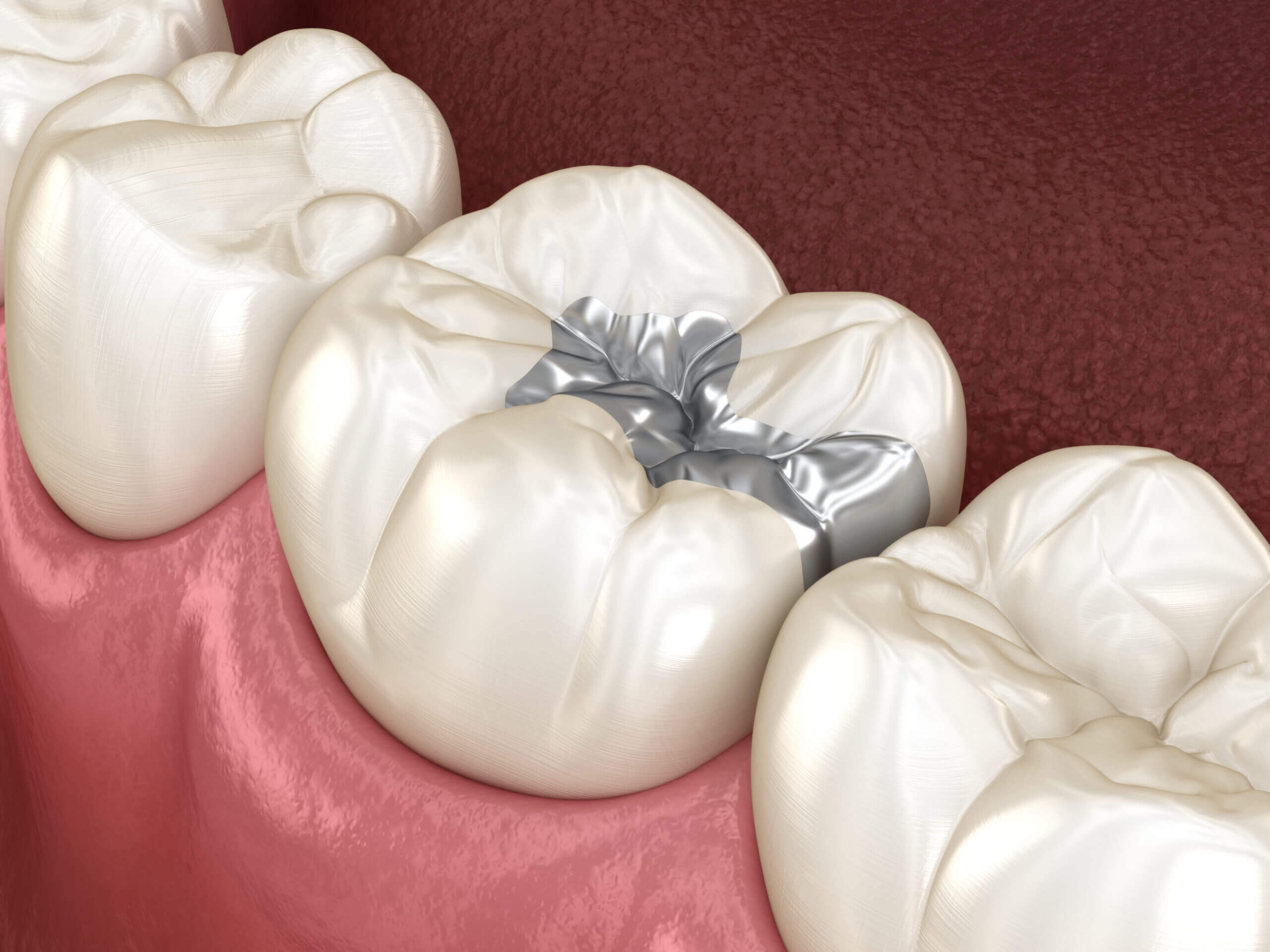
Modern amalgam fillings were first introduced to the Western world in the early 1800s. Today, they are comprised of a mixture of metals, including liquid mercury and a…

Flossing is an essential part of a healthy oral hygiene routine. The American Dental Association recommends that in addition to brushing twice a day, you should also floss…

Teeth are highly resilient to damage and can hold up to daily biting and chewing. However, too much force, such as a fall or a blow to the…
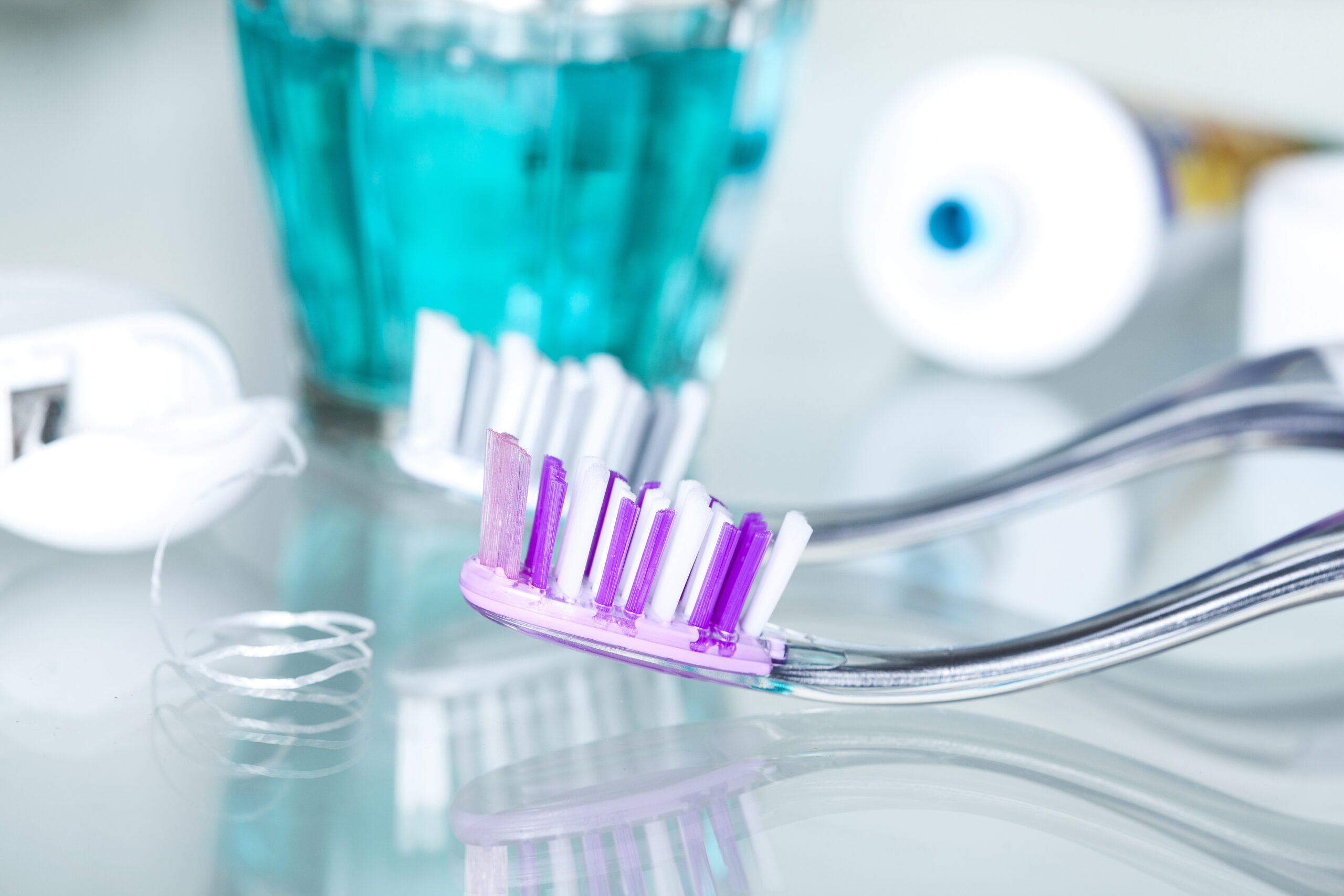
Tooth enamel is the hardest substance in the human body. It creates a protective barrier on the teeth that helps ward off decay. However, enamel can wear-off over…
Periodontitis, (also called gum disease) is an inflammation or infection of the gums caused by an accumulation of bacteria, typically due to poor hygiene habits. There are different…

Dental anxiety is a common condition characterized by stress, fear, or general anxiety in a dental setting. Some patients have anxiety associated with certain triggers, such as drills…